A village two centuries older than the suburbs around it, with new subdivisions on its edge and farmland in every direction. Three different jobs inside one postal code — and all of them inside Ottawa city limits, so none of them carries a travel charge.
Reply within 1 business day

Richmond was settled in 1818 and it shows on the main street: clapboard, brick and stone, some of it designated, sitting a few hundred metres from builder elevations finished last year. Those two need different mounting, different fasteners and a different conversation about approvals.
In the old village — McBean Street, Perth Street and the lanes off them — fasteners go into mortar joints and never into the brick or stone face. Mortar is the sacrificial layer in a masonry wall and is meant to be repointed; drilling the face is what causes spalling a few freeze-thaw cycles later. We check your address against its heritage designation before quoting, so the approval path is known at the start rather than discovered halfway through. Reversible, non-destructive lighting is a far easier case to make than most exterior work, but it is not a case we will make on your behalf without checking first.
The newer phases — Fox Run and the streets built out from the village edge — are conventional fascia work, and they price where you would expect. Beyond them it is acreage: Munster, Ashton, Dwyer Hill, Franktown Road and the Twin Elm side. Those are long single-storey rooflines with detached garages, drive sheds and barns worth pulling onto the same controller, wells and septic beds to route cable around, and spring water levels on the Jock River to keep in mind — transformers and junctions go above flood grade, not in the lowest corner of the crawlspace.
Roofline on the village and subdivision streets, custom work on the acreage — gates, fence lines, barns and long driveways come up here far more often than in the city — and a small, steady commercial side along the main street.
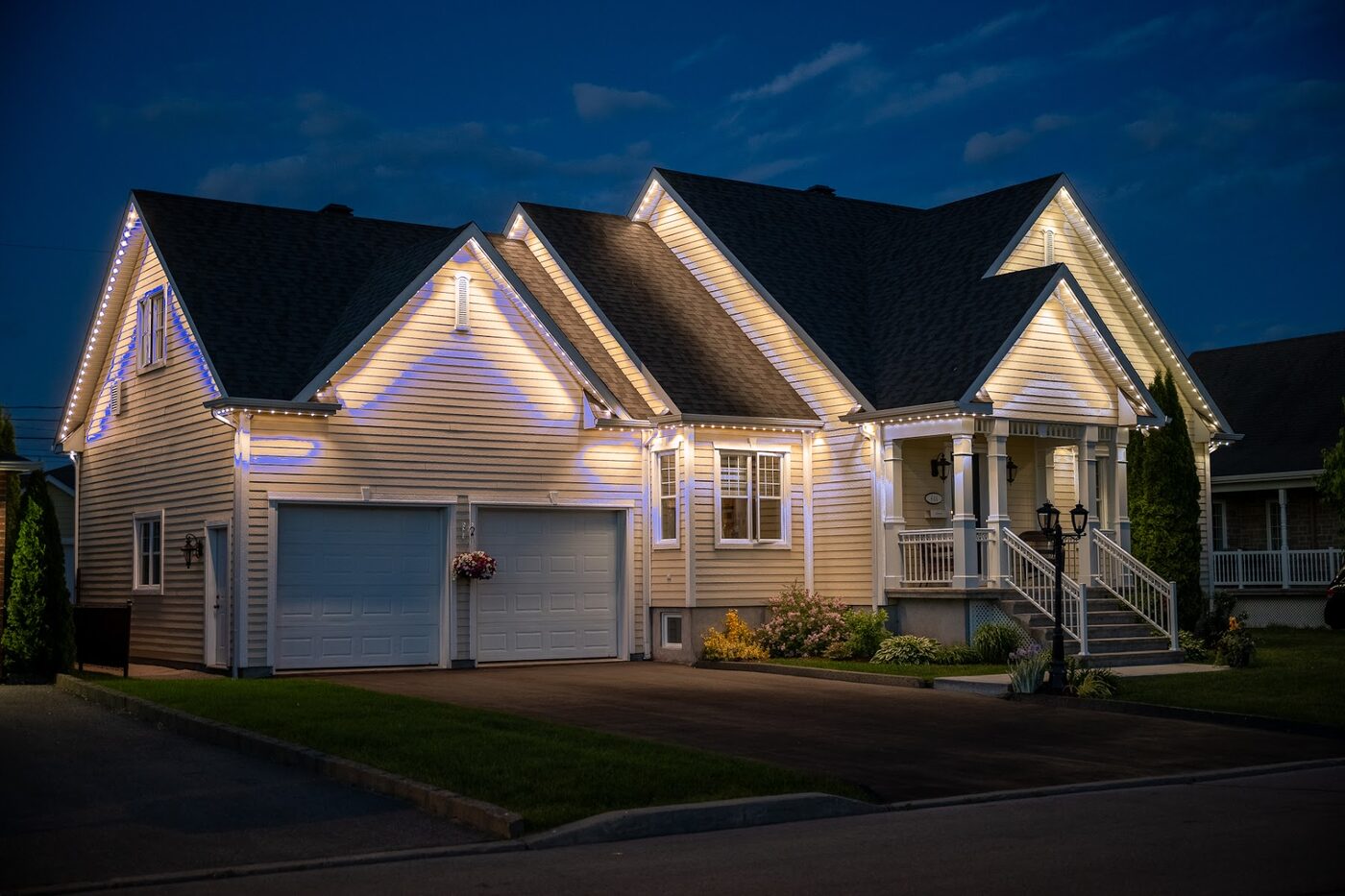
Colour-matched track under the roofline holding addressable RGBW LEDs. Warm white every night, full colour when you want it, and no ladder in November.
Learn more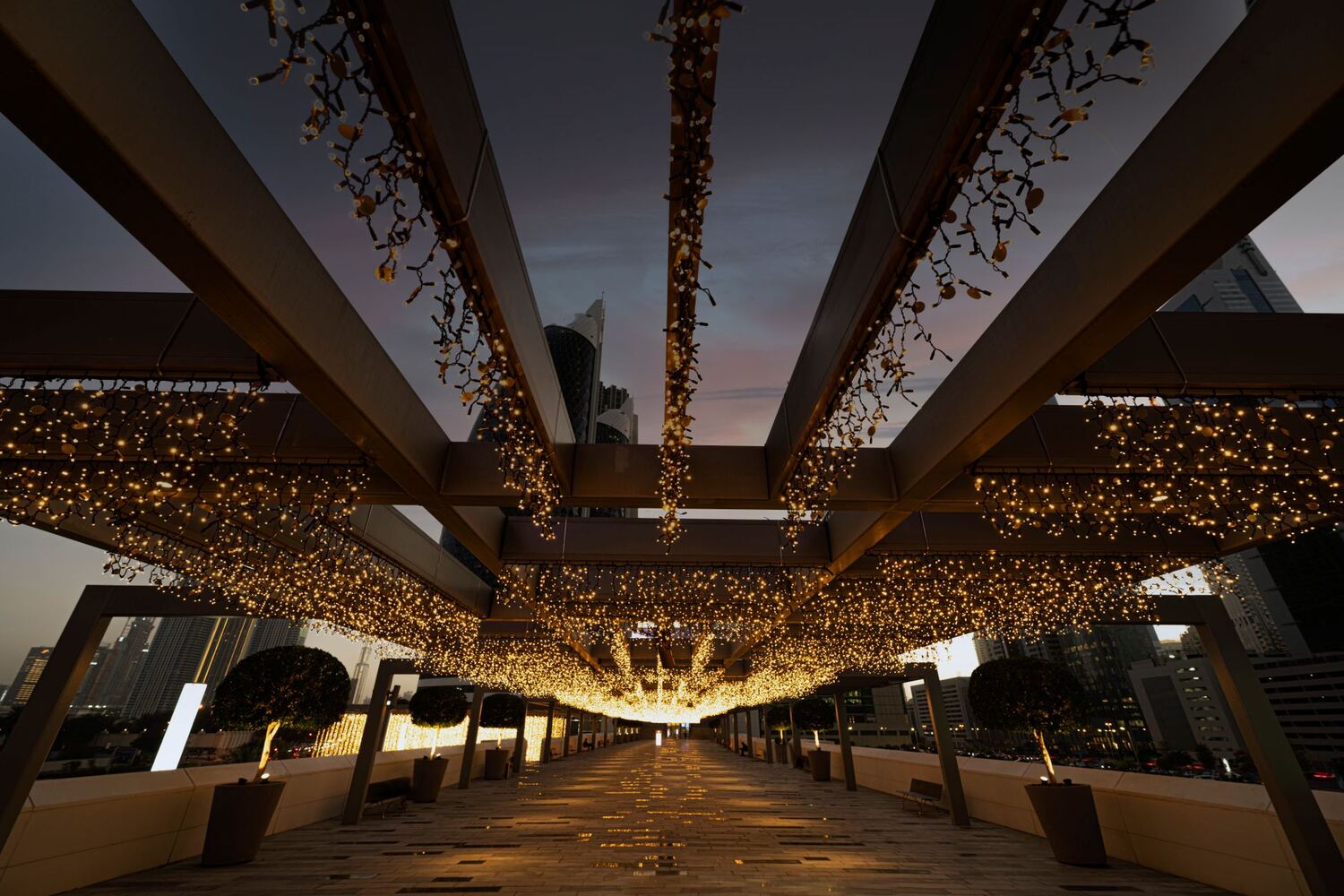
Pergolas, cabanas, docks, sport courts, fences, feature walls. If it can be lit and it survives an Ontario winter, we have probably built it.
Learn more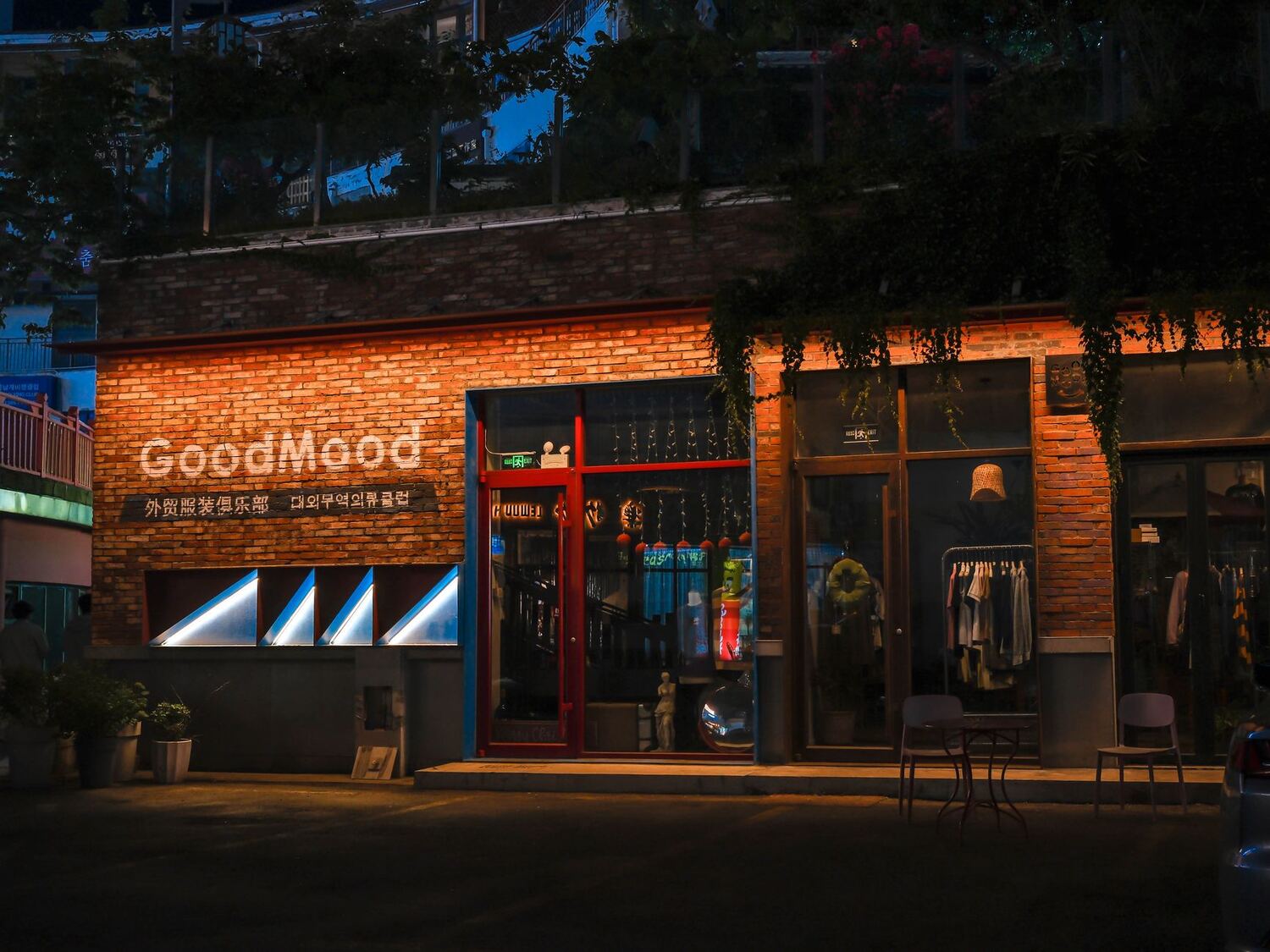
Be the brightest thing on the block at 5pm in December. Facade, signage band and entry lighting that turns dark-at-4:30 into an advantage.
Learn moreThe village, the new phases and the Goulbourn countryside around them.
Yes, into the mortar joints. That is both the reversible option and the structurally correct one, because mortar is designed to be the sacrificial layer and to be repointed. We will not drill the brick or stone face on any property, regardless of what someone else has quoted you.
Inside it, with no travel line on the quote. Richmond is part of the City of Ottawa and the same price list applies here as in Kanata or the Glebe. Where travel does apply anywhere in our coverage it is quoted up front at the site visit, never added afterwards.
Only where we route cable and set the transformer. The roofline runs on 24 V DC and draws very little, so it makes no difference to your service. We locate the well line and septic bed at the site visit so no trenching or anchoring goes near either, and we will tell you honestly if an outbuilding is too far for a clean run rather than stretching one that will dim at the far end.
Not for the lighting, as long as the low-voltage gear is placed for it. Transformers, junctions and the controller go above the level the water has historically reached rather than in the lowest available corner, and outdoor connections are threaded, sealed and face downward. The pixels themselves are IP68 and rated to −40 °C.
We will measure, hold track colours against your own fascia and leave you an itemised number. No deposit, no obligation.